Sussex Cancer Fund Supports Research Into the Management of Cancer Treatment Reviews
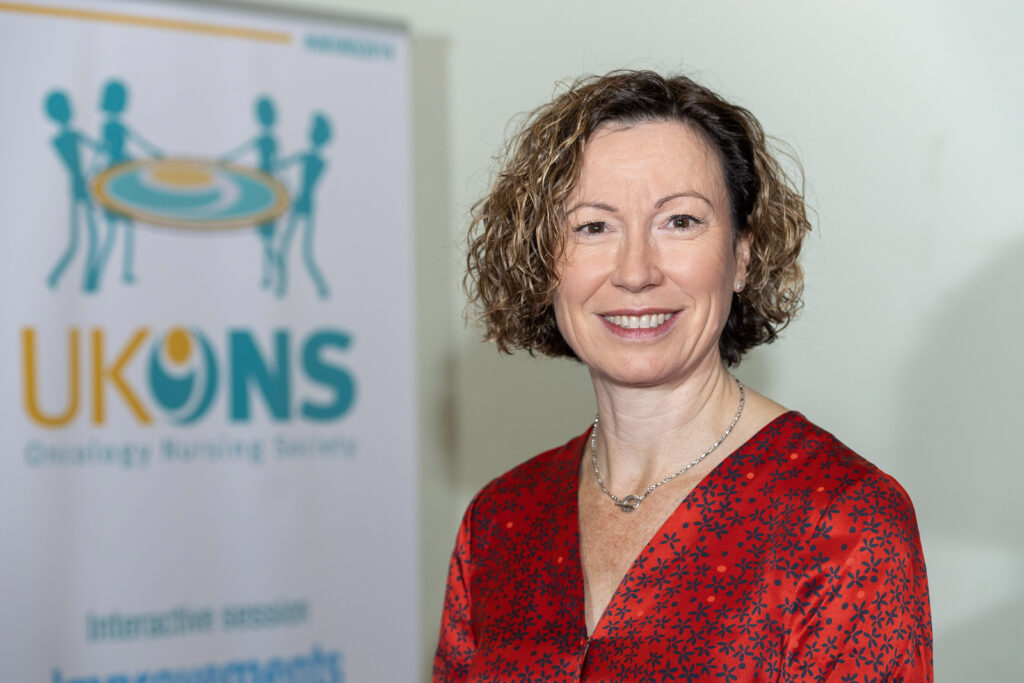
Sussex Cancer Fund Backing Important Study into Cancer Treatment Reviews
Sussex Cancer Fund is proud to be funding an important research project exploring how people receiving cancer treatment experience nurse and pharmacist-led Systemic Anti-Cancer Therapy (SACT) review clinics, and how these services are experienced by the healthcare professionals delivering them. (SACT is the umbrella term used for cancer drug treatments, including chemotherapy, immunotherapy and targeted therapies.)
The study, led by Lisa Barrott, Senior Head of Nursing of Cancer & Haematology at King’s College Hospitals NHS Foundation Trust and PhD researcher at King’s College London, received funding from Sussex Cancer Fund in late 2024 to support transcription and research delivery costs.
Before each treatment, patients are reviewed to assess how they are coping, discuss side effects and ensure it is safe to continue treatment. Increasingly, these reviews are being delivered not only by doctors, but also by nurses and pharmacists working in SACT services, both face-to-face and remotely via telephone
As cancer diagnoses continue to rise and treatments become more advanced, healthcare services are evolving to meet growing demand. This research aims to ensure those developments remain focused on patient experience, safety and quality of care.
The project involves six NHS Trusts across England, including University Hospitals Sussex NHS Foundation Trust and East Sussex Healthcare NHS Trust, helping to ensure the findings reflect a broad range of experiences and services.
Since the study began, significant progress has already been made. Participant interviews started in April 2025 and were completed in February 2026.
All interviews have now been transcribed and analysis is well underway, with initial themes already identified by the research team.
The findings are expected to help shape future cancer services by improving understanding of what patients value most during treatment reviews, how healthcare professionals experience delivering this care, and how remote appointments compare with face-to-face consultations.
The study has already built on previously published work by Lisa Barrott and colleagues examining nurse and pharmacist-led SACT review clinics nationally and internationally. Further findings from the current research are expected to be submitted to major oncology nursing conferences later this year, with journal publications planned as analysis continues.
This project addresses a really important and increasingly relevant area of cancer care. More patients are now receiving complex cancer treatments over longer periods of time, and specialist nurses and pharmacists are playing a vital role in supporting them through treatment.
David Bloomfield, Chairman for Sussex Cancer Fund, added:
“Research does not always involve laboratories or new drugs. Sometimes it is about understanding how care is delivered and how services can work better for patients and staff alike. This study has the potential to influence how cancer treatment reviews are provided in the future and ensure that patient experience remains at the heart of service development.”
The project forms part of Sussex Cancer Fund’s wider commitment to supporting local cancer research that improves care, experience and outcomes for people affected by cancer across Sussex.
Steve Crocker, Research Lead Trustee for Sussex Cancer Fund, said:
“What makes this research particularly valuable is that it focuses directly on lived experience — understanding how patients feel about these clinics, how professionals experience delivering them, and how services can continue to evolve in a way that remains safe, compassionate and patient-centred. We are delighted to support research that has the potential to influence future cancer care both locally and nationally.”
Lisa Barrott, said:
“I am delighted to have been supported by the Sussex Cancer Fund in my PhD research project; the funding they have provided has been vital to it. While I no longer work locally, I have had the pleasure of working with the Fund in the past and value and respect its aims and ethos. I really hope my research can help shape how we approach services in the future; as demand increases against a backdrop of services under pressure, it is vital we ensure patient experience of care is always at the forefront of new developments and innovations.”
To find out more about Sussex Cancer Fund and the research projects we support, visit:
https://www.sussexcancerfund.co.uk/